Every winter in the Fox Valley area, homeowners discover the hard way that frozen pipes are more than an inconvenience — they're a disaster. A single burst pipe can release hundreds of gallons of water into your home before you even realize what happened. The repair costs average between $1,000 and $5,000, and that's before factoring in water damage to flooring, drywall, and personal belongings.
The good news: frozen pipes are almost entirely preventable. Illinois winters are predictable enough that you can prepare well before the temperatures drop below freezing.
Why pipes freeze in the first place
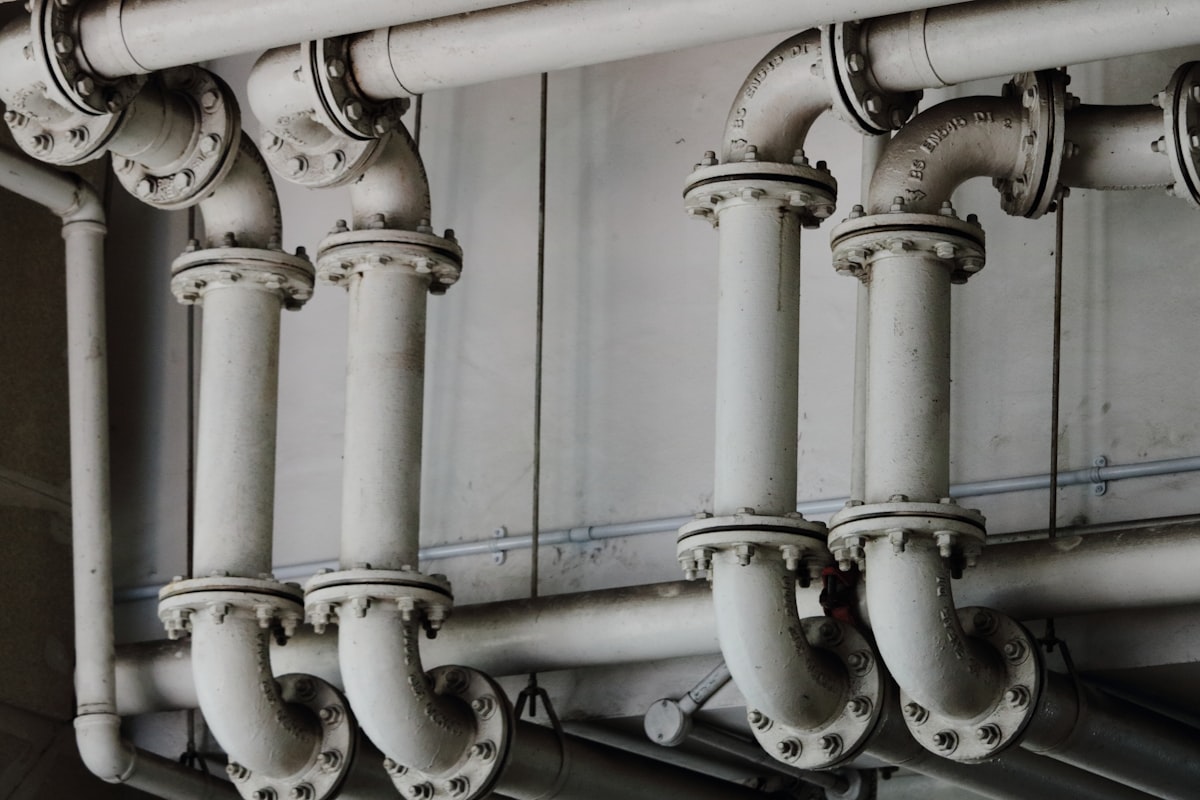
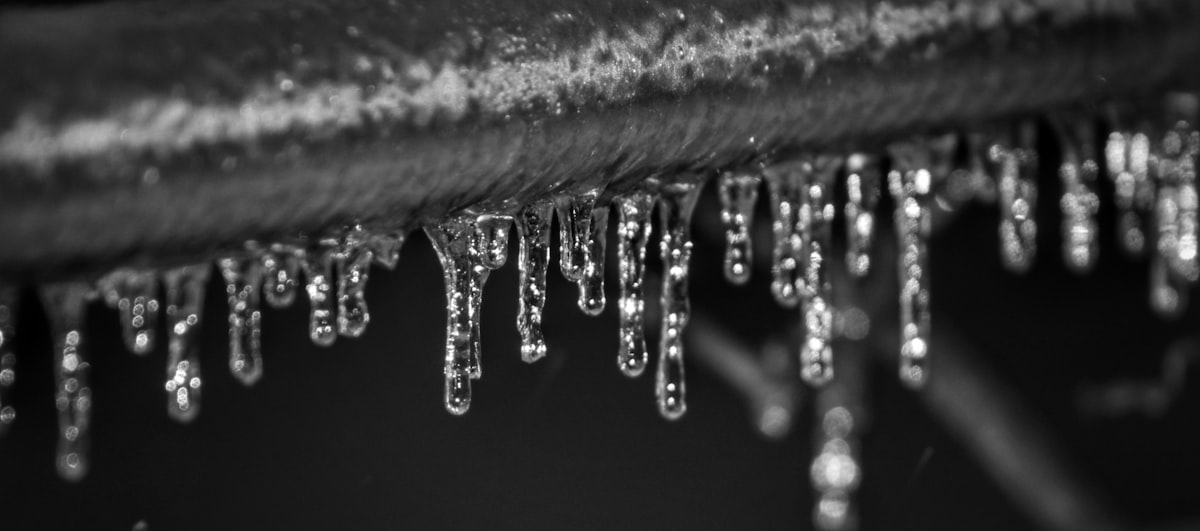
Pipes freeze when the water inside them drops to 32°F. But the real risk isn't freezing — it's the pressure that builds up between the frozen blockage and a closed faucet. That pressure is what causes pipes to burst. The most vulnerable pipes are those in unheated spaces: exterior walls, attics, crawl spaces, garages, and under kitchen cabinets on exterior walls.
Steps to winterize your plumbing
- Insulate exposed pipes — Foam pipe insulation is inexpensive and widely available. Focus on pipes in crawl spaces, attics, garages, and along exterior walls.
- Seal drafts and gaps — Cold air coming through cracks near pipes can drop temperatures dramatically. Use caulk or expanding foam to seal around pipes where they penetrate exterior walls.
- Keep interior temperature consistent — Never set your thermostat below 55°F, even when you're away. The small cost in heating bills is nothing compared to a burst pipe.
- Open cabinet doors — Under sinks on exterior walls, open the cabinet doors to allow warm air to circulate around the pipes.
- Disconnect garden hoses — An attached hose traps water in the spigot and the pipe feeding it. Disconnect, drain, and store hoses before the first freeze.
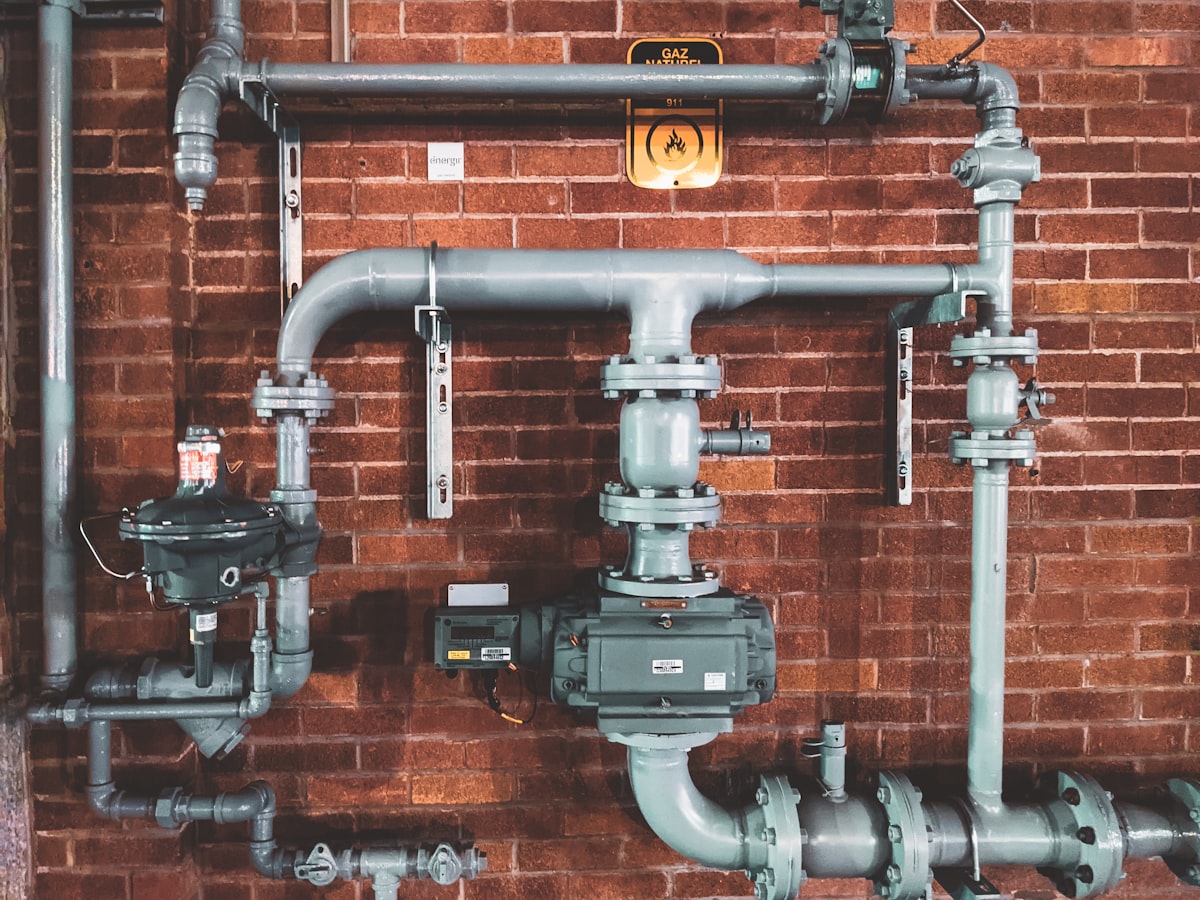
- Know your main water shutoff — In an emergency, you need to shut off water fast. Make sure every adult in your home knows where the main shutoff is and that it operates freely.
If you have a vacation home or will be away
Empty homes are especially vulnerable. If you're leaving for an extended period during winter, consider either draining your plumbing system entirely or having someone check on the property regularly. A smart thermostat that you can monitor remotely is a worthwhile investment for any home left unoccupied in winter.
For older Fox Valley homes, extra attention is needed. Many older homes have pipes routed through spaces that were never designed with freeze prevention in mind. A pre-winter plumbing inspection can identify your highest-risk areas before they become a problem.
What to do if a pipe does freeze
If you turn on a faucet and get nothing, you may have a frozen pipe. Don't panic — it hasn't burst yet. First, locate and open the affected faucet so there's somewhere for water to go as it thaws. Then use a hair dryer, heat lamp, or heating pad to gently warm the pipe — never use an open flame.
Work from the faucet back toward the frozen section. If you can't locate or access the frozen section, or if you suspect the pipe may already be cracked, call a plumber immediately. Shut off your main water supply while you wait.
The cost of prevention vs. the cost of repair
Foam pipe insulation for an entire crawl space typically costs under $100 in materials and an afternoon of work. A burst pipe repair — including the pipe itself, drywall repair, and any water damage remediation — easily runs $2,000 to $10,000 or more. The math isn't complicated.
If you're not sure which pipes in your home are at risk, D&A Fox Valley Plumbing can walk through your home and identify vulnerabilities before winter arrives. A small investment in prevention is the smartest plumbing decision you'll make all year.