Most homeowners know roughly how their plumbing works: water comes in, water goes out. But having a slightly deeper understanding of the system helps you communicate better with a plumber, respond correctly to problems, and make smarter decisions about maintenance and upgrades.
The two main systems: supply and drain-waste-vent
Your home's plumbing is really two separate systems that work together.
The supply system brings pressurized water into your home from the municipal water main (or a private well). It splits into cold water lines that run directly to fixtures, and hot water lines that first pass through your water heater before distributing to fixtures. The supply system runs under pressure — which is why a burst supply line releases water rapidly and continuously until you shut it off.
The drain-waste-vent (DWV) system removes wastewater. Drain pipes rely on gravity — they slope downward toward the main sewer line. Vent pipes (those pipes you see coming out of your roof) allow sewer gases to escape and air to enter the system so drains flow properly. Without proper venting, drains make gurgling sounds and flow slowly.
Key components to know
- Main shutoff valve — Cuts off all water to the house. Know where it is.
- Water meter — Usually near the main shutoff; used to read usage and check for leaks.
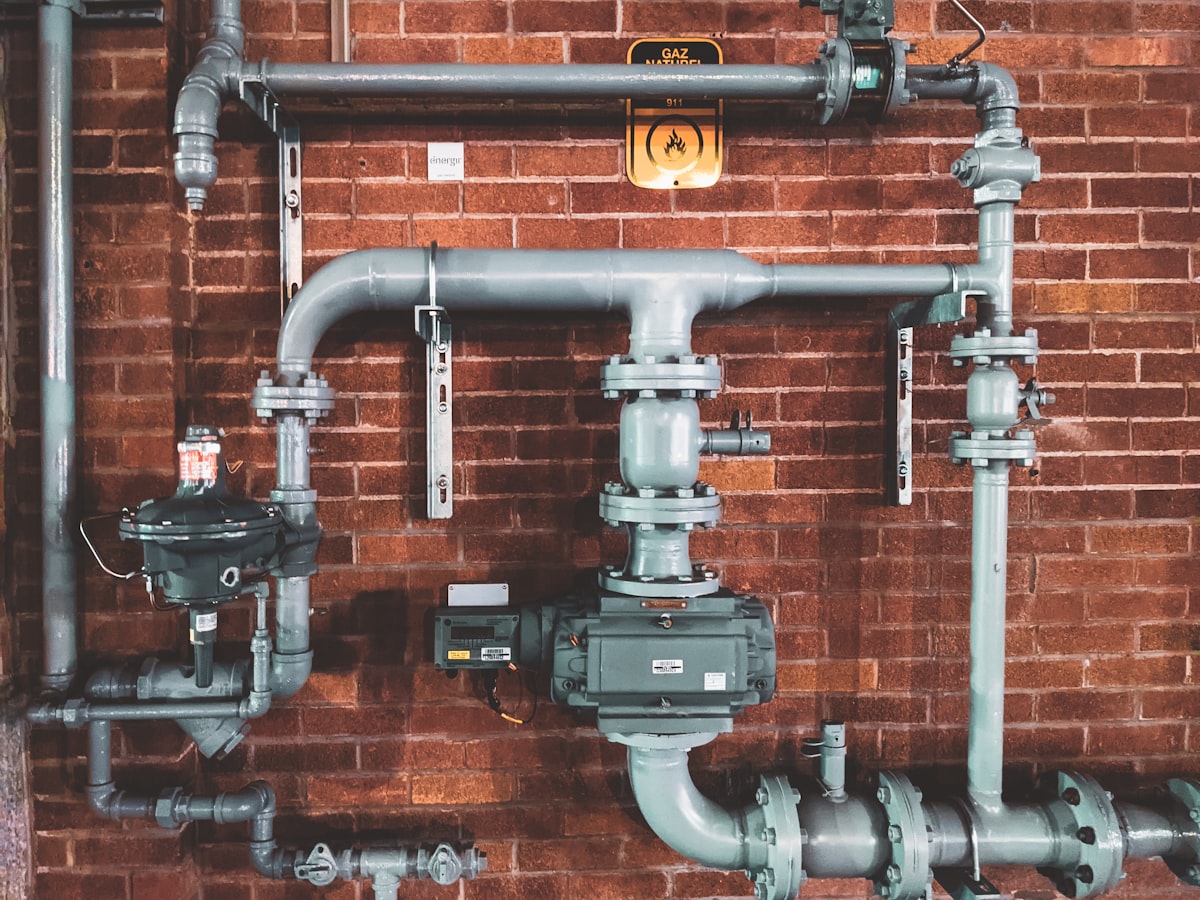
- Pressure regulator — Reduces incoming municipal water pressure to a safe range for home pipes (typically 40-80 psi). If yours fails, high pressure can damage fixtures and appliances.
- Water heater — Heats and stores water (tank) or heats on demand (tankless). Connected to both supply and hot water distribution lines.
- Fixture shutoffs — Individual valves at each toilet, sink, and appliance that let you isolate and service a fixture without shutting off the whole house.
- P-traps — The curved pipe under every sink. Holds a small amount of water that acts as a seal preventing sewer gas from entering your home.
- Main drain cleanout — An access point for rodding the main sewer line, typically in the basement or near the foundation.
If you can't locate your main shutoff valve, your pressure regulator, or your main drain cleanout, make it a priority to find them before you have an emergency. Ask a plumber during your next service visit to show you where they are.
How to check for hidden leaks
One of the most valuable skills a homeowner can develop is reading their water meter. To check for hidden leaks: turn off all water in the house (no running toilets, dishwashers, or fixtures). Note your meter reading. Wait 30 minutes. If the meter has moved, water is escaping somewhere.
For smaller leaks, the toilet is the most likely culprit. Add a few drops of food coloring to the toilet tank and wait 15 minutes without flushing. If color appears in the bowl, the flapper is leaking — a simple, inexpensive fix.
Maintenance the average homeowner should do
- Test all shutoff valves annually — turn them off and back on to prevent seizing
- Clean aerators and showerheads annually to remove mineral buildup
- Flush your water heater annually to remove sediment
- Check the area under sinks and around appliances monthly for signs of moisture
- Know the age and material of your main drain line and supply pipes