Building a new home gives you a rare opportunity: you get to make decisions about your plumbing from scratch, without inheriting someone else's choices or working around what's already in the walls. But it also means you need to know enough to make good decisions — because once the concrete is poured and the walls are closed, changing your mind gets expensive.
The phases of new construction plumbing
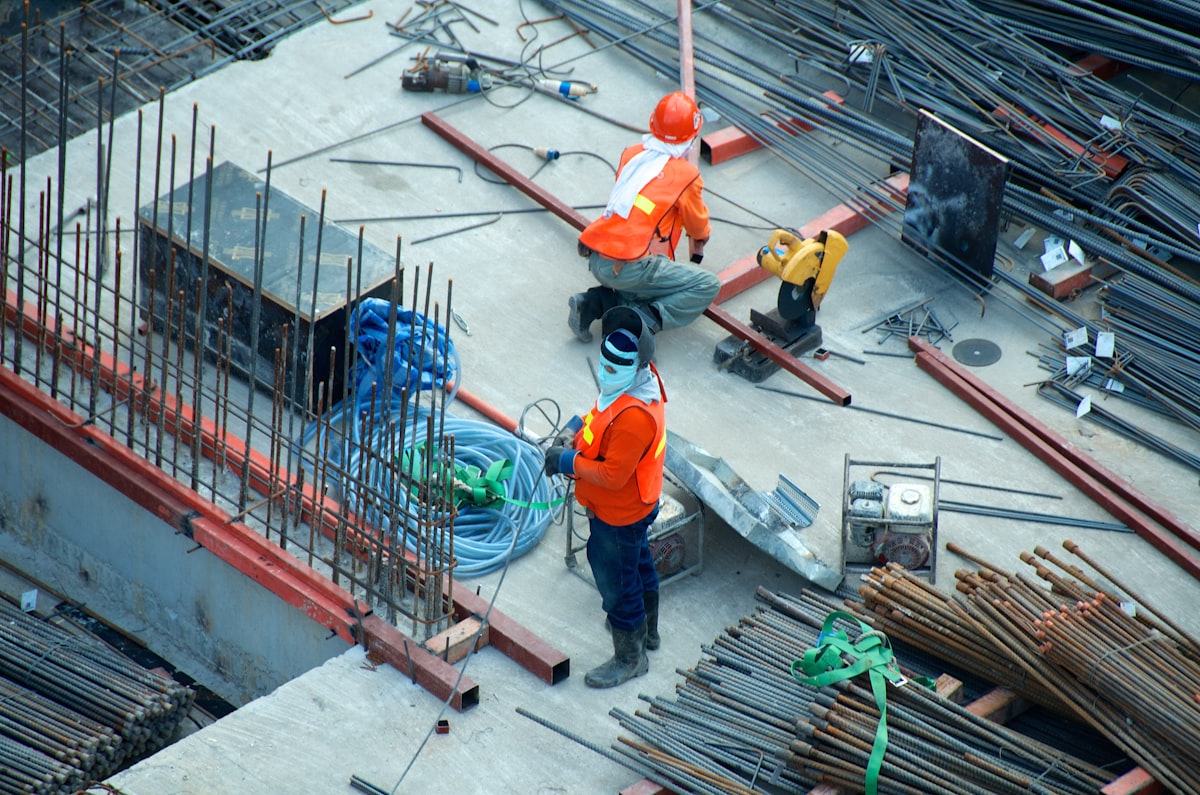
New construction plumbing typically happens in three phases:
- Underground rough-in — Before the slab is poured (for slab construction) or before the subfloor goes down, drain lines are laid and sleeved to establish the positions of all fixtures.
- Above-ground rough-in — After framing is complete, supply lines and drain lines are run through walls, floors, and ceilings. Vent stacks are installed. This phase happens before insulation and drywall.
- Trim-out (finish plumbing) — After drywall and tile are complete, fixtures are installed, trim kits are set, and everything is connected and tested.
Key decisions that affect cost and performance
Pipe material: copper vs. PEX
Copper has been the standard for supply lines for generations. It's durable, reliable, and approved everywhere. PEX (cross-linked polyethylene) has become increasingly popular in new construction for its lower cost, flexibility, and resistance to freeze damage. Both are excellent choices; the right answer depends on your budget and your builder's preference.
Water heater type and location
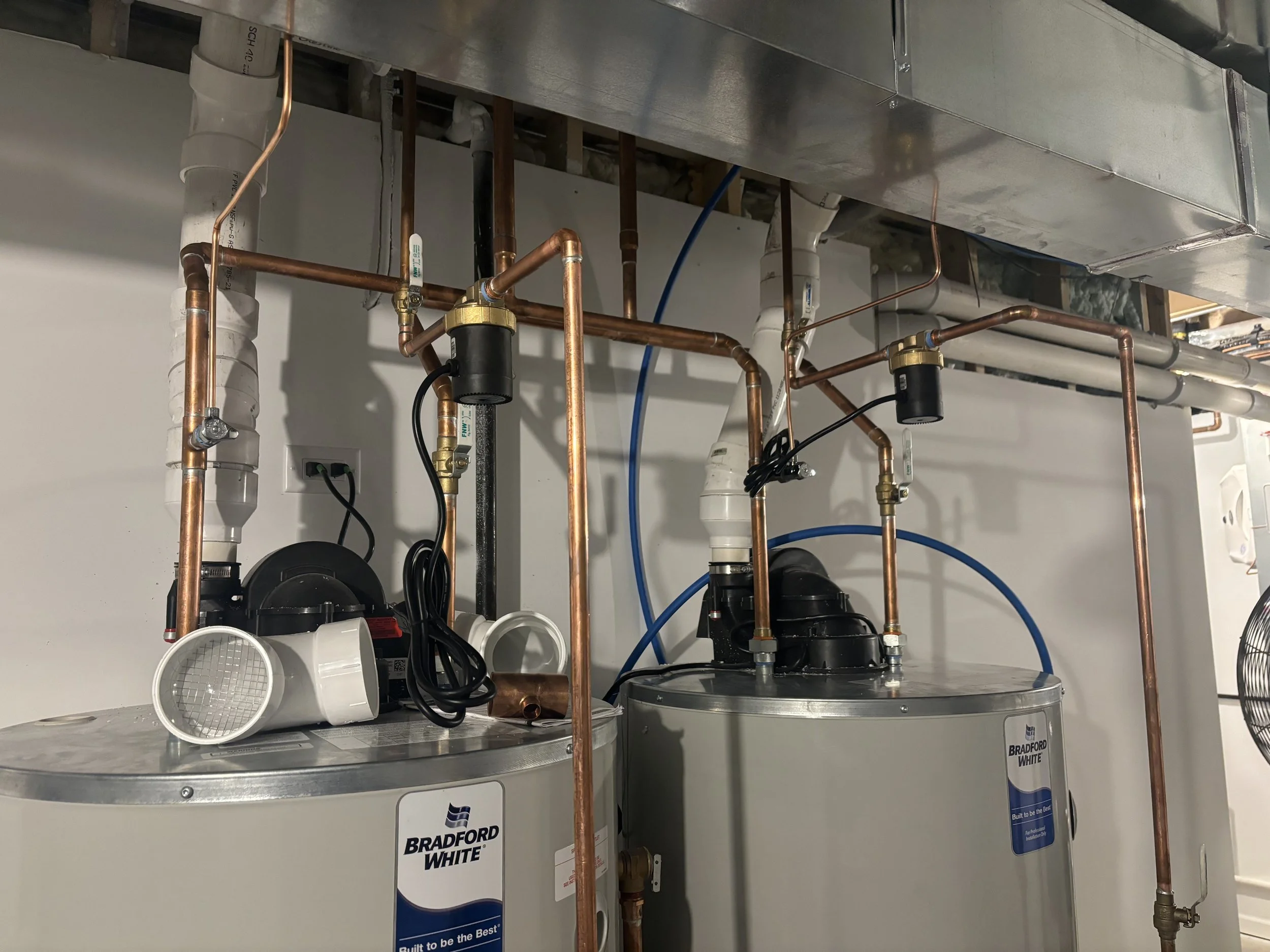
Deciding early where your water heater will go — and what type you want — affects how supply lines are run and whether you need a dedicated gas line or electrical circuit. A tankless water heater, for example, requires a different setup than a traditional tank. If you're building a larger home, a recirculation system can be incorporated from the start to deliver hot water quickly to fixtures far from the heater.
Location matters more than most people realize. A water heater in a utility room near the center of the house delivers hot water faster to more fixtures than one tucked in a far corner. Plan location before the framing goes up.
Future-proofing
New construction is the cheapest time to add rough-in for future fixtures. Adding a bathroom in a finished basement later is an expensive project; blocking for it in the original rough-in costs relatively little. The same goes for an outdoor kitchen, a bar sink, a pot filler, or a whole-house water filtration system. Think about what you might want in 10 years and block for it now.
Inspections and code compliance
New construction plumbing requires inspections at multiple stages. A rough-in inspection is typically required before the walls are closed, and a final inspection is required before occupancy. Your plumber pulls the necessary permits and is responsible for meeting code — but as the homeowner, you should understand what's being inspected and why.
Working with your plumber and builder
The most important thing you can do is choose a plumber who communicates clearly and coordinates well with your general contractor. Scheduling is critical in new construction: the plumber needs to be available at specific points in the build sequence, delays at one phase cascade to others, and changes to the plan get more expensive the later they're made.
D&A Fox Valley Plumbing has experience working alongside builders and contractors throughout the Fox Valley area. We show up on schedule, flag problems early, and make sure the plumbing in your new home is done right the first time.